
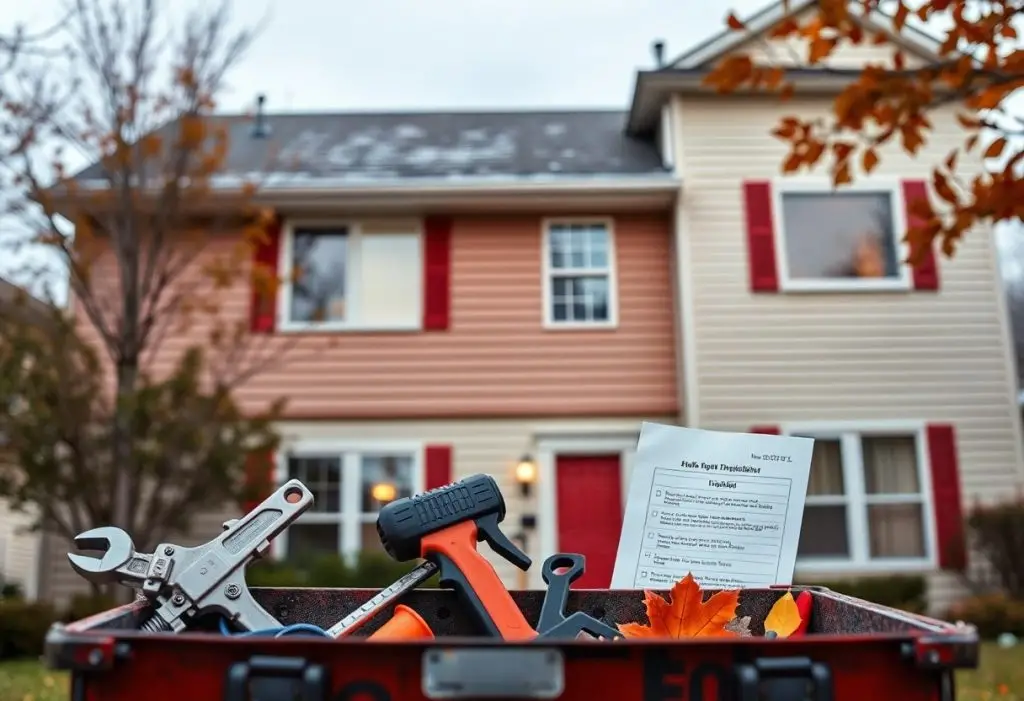
You can avoid most home repairs by staying proactive throughout the year. Simple, consistent tasks like checking for leaks, cleaning gutters, and inspecting HVAC systems keep your home running smoothly. With the right routine, you’ll save time, money, and stress while protecting your investment.
Identifying Environmental Factors in Home Degradation
- Humidity levels can warp wood and encourage mold.
- UV exposure fades finishes and weakens materials.
- Temperature swings stress structural joints.
- Pest activity increases in warmer, moist climates.
- Proximity to saltwater accelerates metal corrosion.
After assessing these elements, you can take targeted steps to reduce their impact.
Understanding climate impact on structural integrity
Temperature fluctuations cause building materials to expand and contract, leading to cracks in walls and foundations. In colder zones, ice dams form when attic heat melts snow, which then refreezes at the eaves. Humid summers invite wood rot and insulation damage. You must account for your region’s weather patterns when planning maintenance.
Recognizing high-risk areas for wear and tear
Roof edges, window frames, and basement walls face the most exposure. These spots often show early signs of water intrusion or material fatigue. You should inspect them seasonally for cracks, discoloration, or soft spots. Catching issues early prevents costly repairs down the line.
Recognizing high-risk areas for wear and tear
Roof valleys collect debris and channel water, making them prone to leaks if not cleaned regularly. Around windows and doors, caulking fails over time, letting moisture seep into framing. Basements and crawl spaces stay damp, inviting mold and pest infestations. Plumbing under sinks often hides slow leaks that erode cabinetry and flooring. You extend your home’s lifespan by focusing attention where damage starts silently.
Spring Rejuvenation: How-to Guide for Exterior Care
Spring is your chance to reset your home’s exterior after winter’s toll. You can prevent long-term damage by addressing issues early, from blocked gutters to cracked masonry. A few focused weekends now reduce repair costs and boost curb appeal for months ahead.
Inspecting the roof and clearing drainage systems
You should check shingles for curling, cracks, or missing pieces after winter storms. Use binoculars for a safe ground-level view or walk the perimeter if accessible. Clear debris from gutters and downspouts to ensure water flows freely, preventing overflow that can damage siding or pool near the foundation.
Repairing foundation cracks and siding damage
Small foundation cracks can expand with freeze-thaw cycles, letting moisture inside. Seal them with a concrete patching compound before summer rains arrive. Inspect siding for warping, rot, or insect damage, especially where water tends to splash back from the ground.
Addressing foundation cracks promptly stops water infiltration that leads to mold or structural issues. For cracks less than ¼ inch, a hydraulic cement works fast and expands to fill gaps securely. Siding repairs protect insulation performance and prevent pests from entering. Replace damaged boards or panels and reseal joints with weather-resistant caulk to maintain a tight building envelope.

Summer Efficiency: Tips for Cooling System Longevity
Keep your cooling system running smoothly through the hottest months with proactive care.
- Change air filters every 30-60 days during peak use
- Clear debris from outdoor unit surroundings
- Schedule annual professional inspections
- Seal duct leaks to maintain airflow efficiency
Perceiving small issues early prevents costly breakdowns when you need cooling most.
Servicing HVAC units for peak performance
Ensure your HVAC system delivers consistent comfort by sticking to a regular service routine. A trained technician can spot refrigerant leaks, test compressor function, and clean critical components. Routine tune-ups improve efficiency and extend system life. Catching wear now avoids emergency repairs later. Perceiving subtle changes in performance helps you act before failure occurs.
Managing indoor humidity and ventilation factors
Control moisture to protect your home’s air quality and structural integrity.
- Use exhaust fans in kitchens and bathrooms
- Set dehumidifiers to maintain 30-50% humidity
- Inspect attic and crawl space ventilation
- Open windows when outdoor humidity is low
Knowing how humidity affects your space helps prevent mold and discomfort.
Excess indoor moisture encourages mold growth, damages wood finishes, and makes spaces feel hotter than they are. Proper ventilation removes stale air and reduces allergen buildup. Whole-house fans, energy recovery ventilators, and simple airflow strategies make a measurable difference. Sealing air leaks while maintaining fresh air exchange is key. Knowing your home’s unique airflow patterns allows smarter, healthier cooling choices all summer.
Autumn Preparation: How-to Steps for Weatherproofing
As temperatures drop, your home needs protection from winter’s chill. Taking time now to weatherproof ensures comfort and efficiency through the colder months. Simple, proactive steps can prevent costly repairs and energy waste later on.
Sealing windows and doors to prevent heat loss
You can stop drafts by applying weatherstripping around movable joints and caulking stationary seams. Check for gaps where cold air enters, especially on the north and west sides of your house. A tight seal keeps warmth in and heating bills lower.
Cleaning chimney flues and gutter debris
Debris buildup in gutters and chimneys risks fire and water damage. Remove leaves and twigs from roof drains and inspect flue linings for blockages. A clean system operates safely and efficiently when you light the first fire.
Chimney flues clogged with creosote or nesting materials create serious hazards, including reduced airflow and potential carbon monoxide backup. Schedule an annual inspection and cleaning by a certified chimney sweep to ensure safe operation. Clear gutters also prevent ice dams by allowing proper drainage, protecting your roof and foundation from moisture damage.
Winter Resilience: Tips for Protecting Plumbing and Heating
- Insulate exposed pipes in unheated areas
- Seal gaps around windows and doors to reduce heat loss
- Drain outdoor faucets before freezing temperatures arrive
- Test your thermostat and furnace early in the season
After taking these preventive steps, your home’s systems will handle winter’s demands more efficiently.
Insulating pipes to prevent freezing and bursts
Pipes in basements, crawl spaces, and garages are vulnerable when temperatures drop. Wrap them with foam insulation sleeves to maintain warmth and reduce the risk of freezing. Pay attention to joints and valves, where pressure builds if ice forms. This simple step keeps water flowing and avoids costly emergency repairs.
Monitoring furnace filters and thermostat accuracy
Furnace filters collect dust over time, restricting airflow and reducing efficiency. Check them monthly and replace every 1-3 months. An inaccurate thermostat can cause uneven heating or system overwork. Calibrate it seasonally to ensure consistent indoor temperatures and lower energy bills.
Your furnace works harder when airflow is blocked by dirty filters, leading to overheating and premature wear. Replacing filters regularly improves air quality and system performance. Likewise, a misreading thermostat may keep your home too cold or too warm without you realizing. Test it with a separate thermometer and adjust settings accordingly to maintain comfort and efficiency.
Proactive Maintenance: Factors for Year-Round Prevention
- Inspect HVAC filters monthly and replace as needed
- Clean gutters every season to prevent water damage
- Seal gaps around windows and doors to maintain energy efficiency
- Trim trees and shrubs near the house to avoid structural contact
Any consistent effort now reduces costly repairs later.
Testing safety detectors and electrical systems
You should test smoke and carbon monoxide detectors each month by pressing the test button. Check that all units have fresh batteries at least once a year. Inspect electrical outlets for warmth or discoloration, which can signal hazards. Reset GFCI outlets to confirm they’re functioning properly. Staying on top of these checks keeps your home safe and compliant.
Implementing a monthly inspection checklist
Your monthly checklist catches small issues before they become emergencies. It includes examining water heaters for leaks, checking under sinks, and verifying door locks. You also monitor appliance performance and lighting function. This routine builds awareness of your home’s condition. Any lapse in attention could lead to avoidable damage over time.
Creating a structured monthly inspection means assigning specific tasks to each calendar month. Look at plumbing connections, test sump pumps, and examine roofing for loose shingles or debris buildup. Include attic and basement checks for moisture or pests. Use a printed log or app to track findings and repairs. This habit reinforces long-term home health and helps you respond quickly to changes.
To wrap up
Drawing together consistent habits and seasonal awareness keeps your home in reliable condition. You prevent leaks by checking seals, avoid HVAC strain with regular filter changes, and stop pests by managing clutter and entry points. Simple, routine actions-like cleaning gutters and inspecting insulation-save time and expense. You maintain comfort, safety, and value by staying proactive throughout the year.